
The 1925 Serum Run to Nome: How Huskies Became Arctic Legends
Discover the true story of the Huskies who saved Nome in 1925. Learn how Togo, Balto, and their teams changed history during the legendary Serum Run.
The Husky: Born for the Arctic
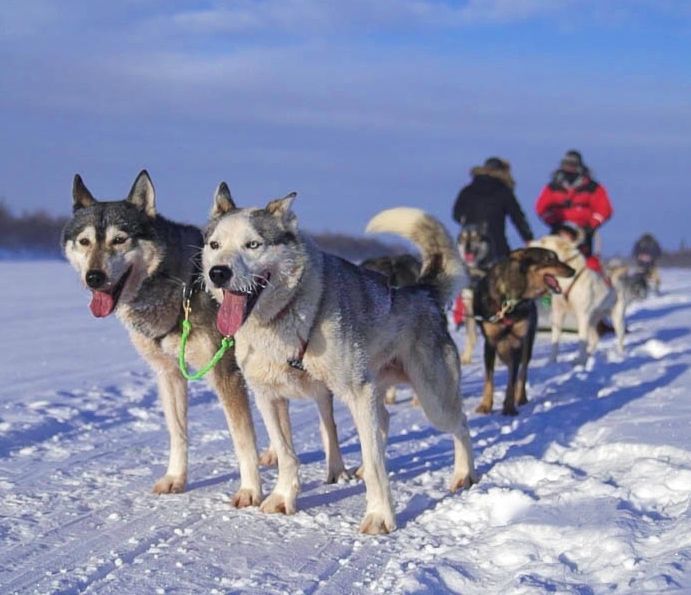
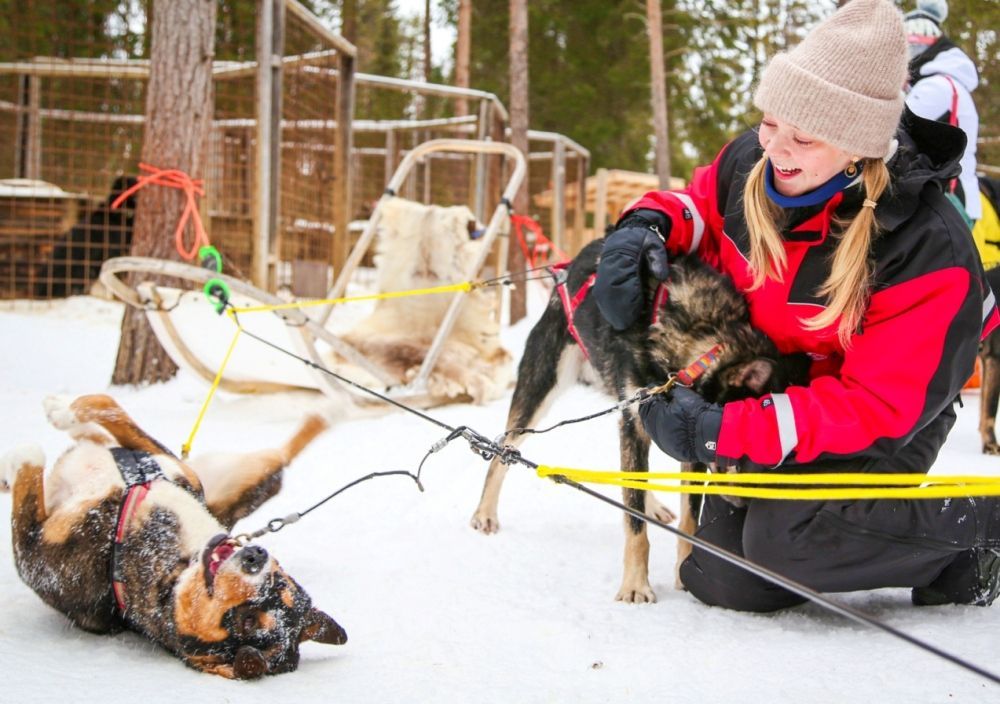
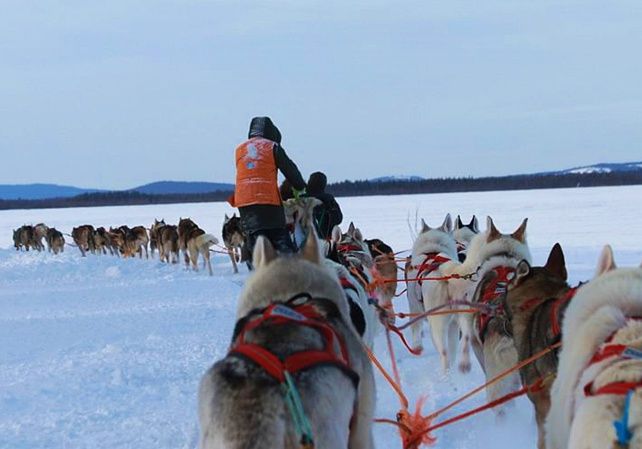
The Husky Dogs are not a modern invention- it is the result of centuries of survival in one of the harshest environments on Earth.
The breed was developed by the Chukchi people of northeastern Siberia, who relied on these dogs for transportation, hunting support, and companionship in extreme Arctic conditions. Huskies were bred to be endurance runners, capable of traveling long distances while conserving energy, even in temperatures far below freezing.
In 1909, Siberian Huskies were brought to Alaska, where their speed, resilience, and efficiency quickly distinguished them from larger, heavier sled dogs. At first underestimated, they soon proved themselves unbeatable in long-distance sled races and then, unexpectedly, in a real fight for human lives.
The Winter That Changed Everything: The 1925 Serum Run
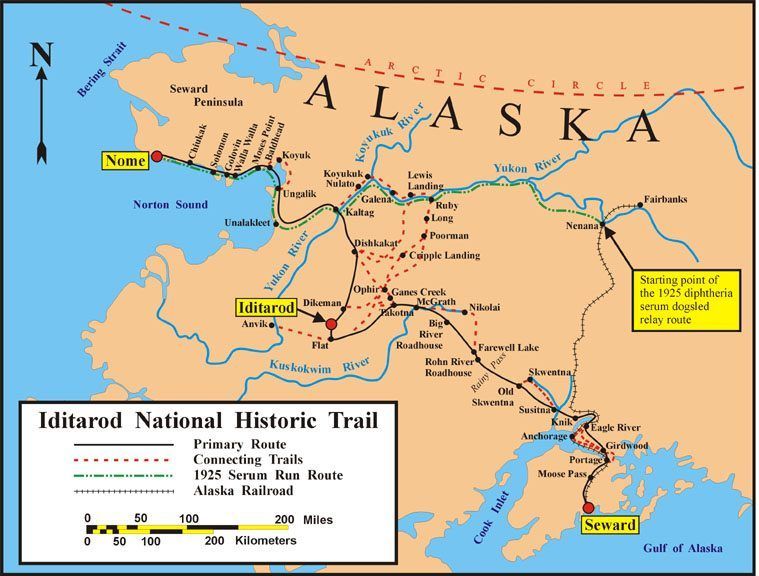
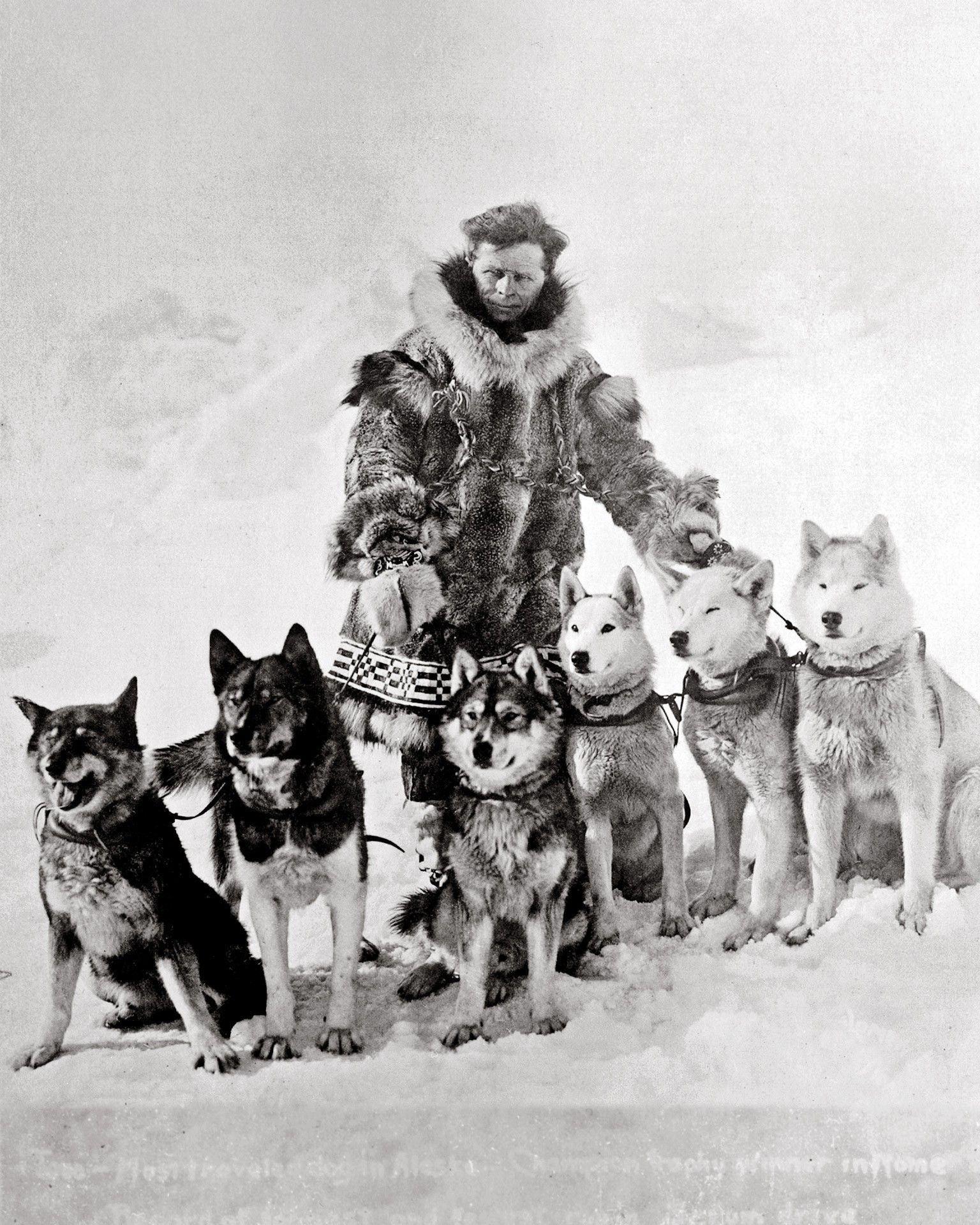
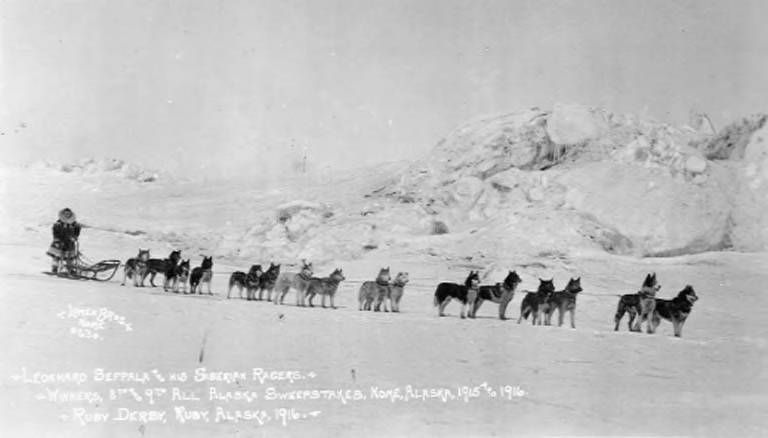
In the winter of 1924 - 1925, the remote town of Nome, Alaska (home to about 1430 people) faced a terrifying crisis. Several children fell ill with diphtheria, a highly contagious and often fatal disease. The town’s supply of antitoxin had expired, and without immediate treatment, a deadly epidemic was inevitable.
Nome was completely isolated. Ships could not reach it in winter. Roads did not exist. Early aircraft were unreliable in Arctic conditions.
The closest usable antitoxin was more than
1600 kilometers away, and the train could carry it only part of the distance. With no other option, officials turned to the one form of transport proven to survive the Arctic winter:
sled dogs.
A Relay Against Time and Death
What followed became known as the 1925 Serum Run to Nome - one of the most extraordinary rescue missions in history.
A relay of 20 mushers and around 150 sled dogs was organized to transport the antitoxin over 1085 kilometers of frozen wilderness. The serum was packed in glass vials, wrapped in insulating materials, and sealed inside a metal container to protect it from freezing.
The conditions were brutal:
- Temperatures dropped below –50°C
- Winds drove the chill even lower
- Visibility often disappeared entirely
Mushers suffered severe frostbite, dogs ran through blizzards and across unstable ice, and one team even became tangled with a reindeer herd during the run. Yet the relay never stopped.
Togo, Balto, and the Truth Behind the Legend
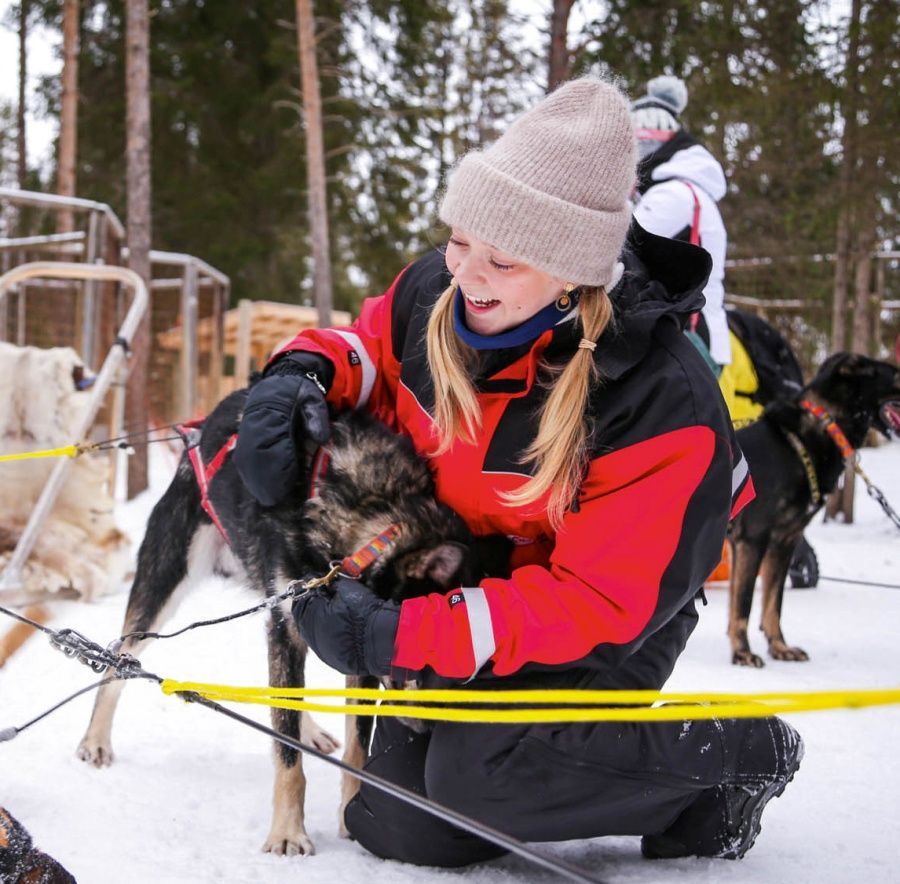
Two dogs became symbols of this mission - though history treated them very differently.
Togo
Led by musher Leonhard Seppala, Togo ran the longest and most dangerous portion of the route, including a perilous crossing of unstable sea ice. By the end of the journey, Togo had covered far more distance than any other lead dog and was widely regarded by fellow mushers as the true hero of the run.
Balto
Balto led the final team into Nome, delivering the serum in the early morning hours of February 2, 1925. Because he crossed the finish line, Balto became the public face of the mission and was celebrated in newspapers across the United States. His statue still stands in Central Park, honoring the courage of all sled dogs involved.
Both dogs were heroes - each in their own way - and together they represent the strength, intelligence, and endurance of the Siberian Husky.
A Record-Breaking Rescue
The entire relay took just over 127 hours (about 5.5 days) - a record-breaking achievement at the time. Thanks to the mushers and their dogs, the serum arrived intact. Only a small number of people died, and a full-scale epidemic was prevented.
The story later inspired books, documentaries, and films, including the animated movie Balto and Disney’s Togo, which helped introduce the wider world to the real history behind the legend.
Why Huskies Are Still Extraordinary Today
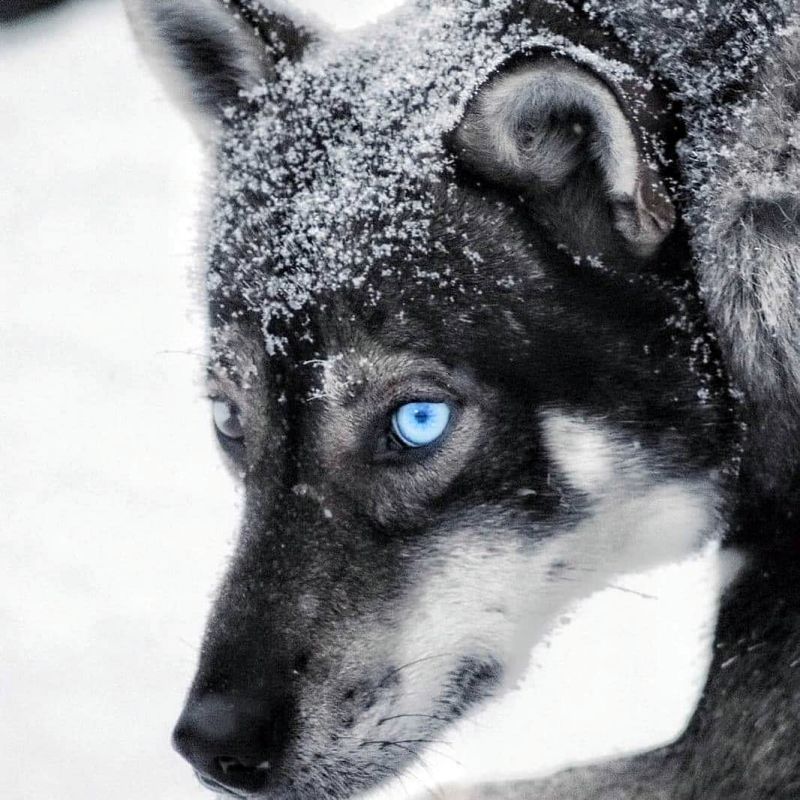
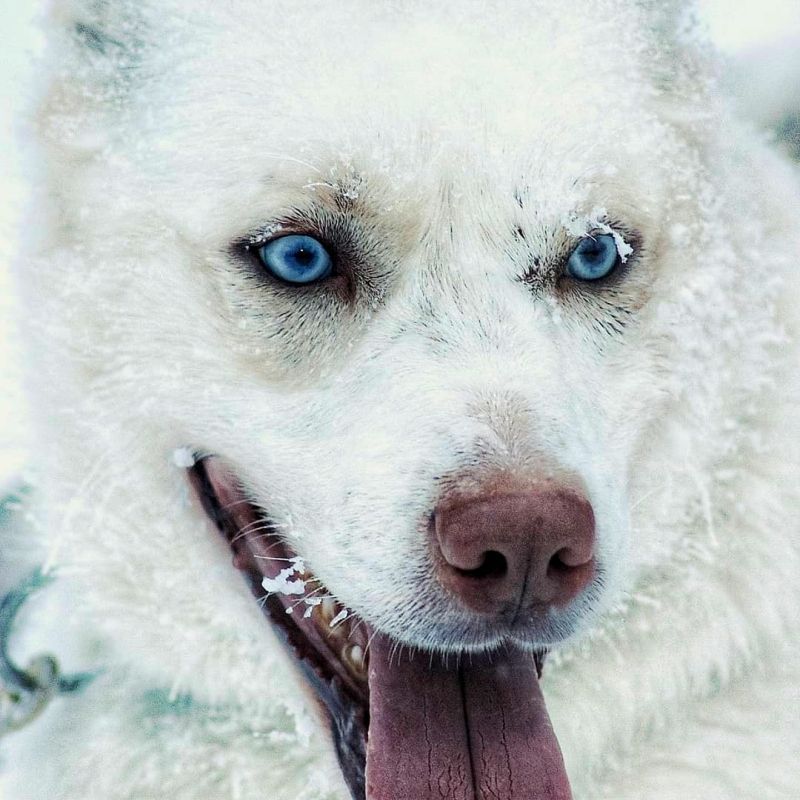
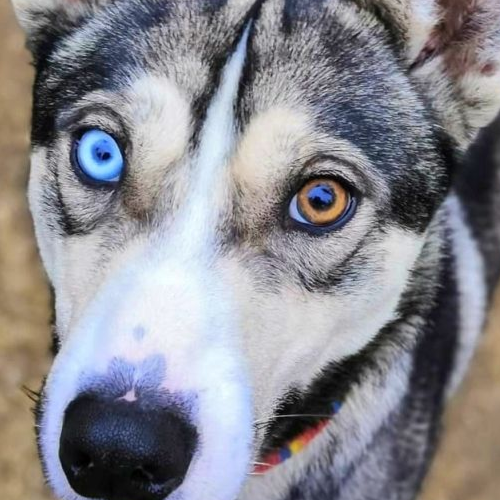
Huskies remain central to sled-dog culture, and their biology is uniquely suited to endurance work:
- Exceptional energy allows them to run long distances without exhausting fat reserves
- A dense double coat protects them in temperatures below –50°C
- Their famous howl can carry over long distances, aiding communication in open terrain
- Huskies may have blue eyes, brown eyes, or one of each, a harmless genetic trait
Despite their working-dog origins, Huskies are also known for their gentle temperament. Bred to live closely with humans and other dogs, they are highly social, affectionate, and especially good with children. They are intelligent and trainable, but also independent, capable of deciding for themselves when cooperation feels optional.
Legacy of the Serum Run
The 1925 Serum Run did more than save a town. It introduced the world to the Husky as a symbol of courage, endurance, and loyalty and cemented the breed’s place in history.
More than a century later, the story still reminds us of what can happen when humans and animals work together against impossible odds.